ITALY PUT SPAIN ON SCHENGEN TIMEOUT

It took one mass crossing at Europe's edge to bring passport checks back to its center.
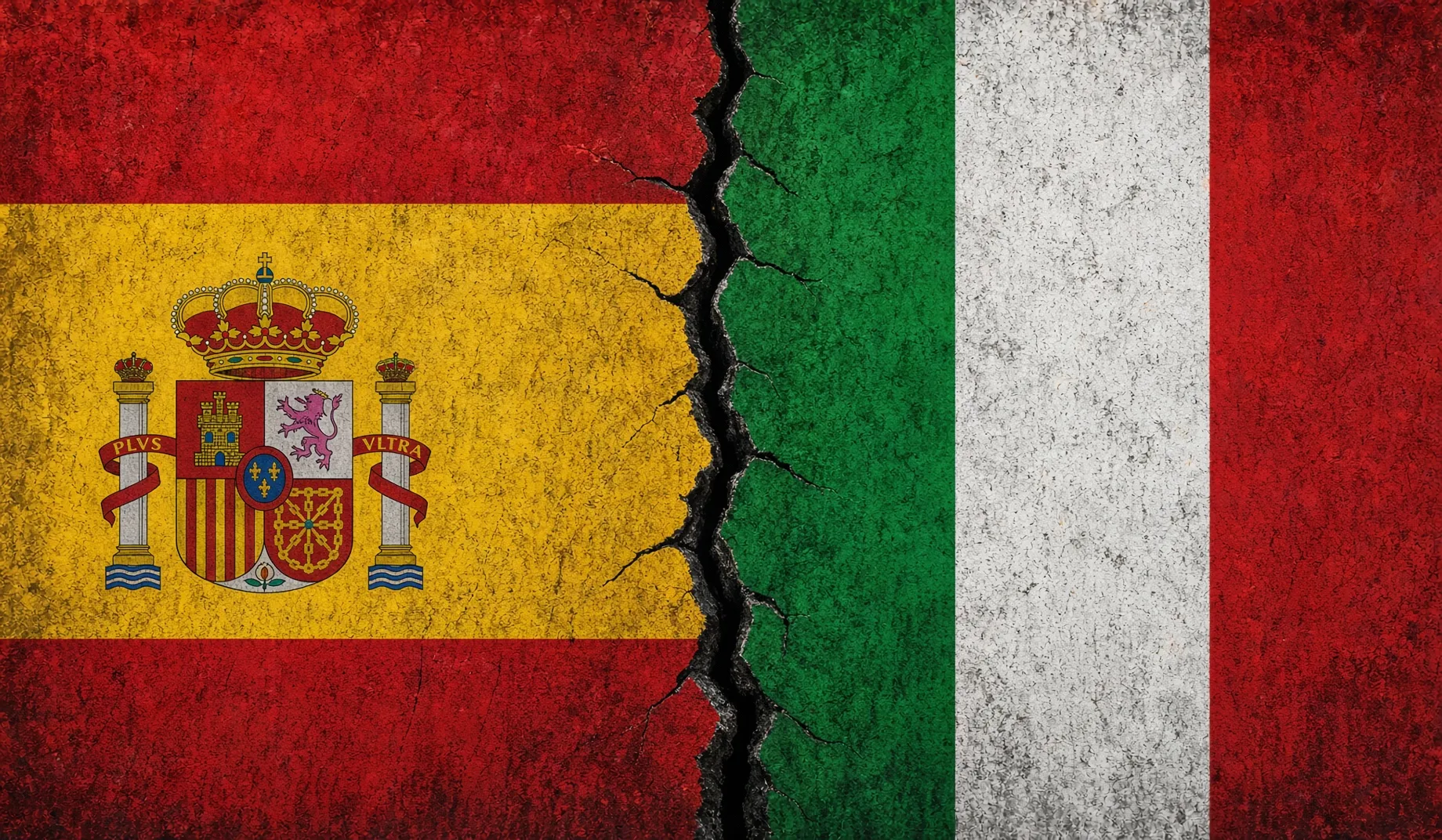
In the summer of 2026, Italy suspended Schengen free movement with Spain. Non-EU travelers flying or sailing from Spain into Italy faced document checks at airports and ports, while Spaniards and other EU citizens walked through. Rome billed it as a one-month measure, then kept extending it.
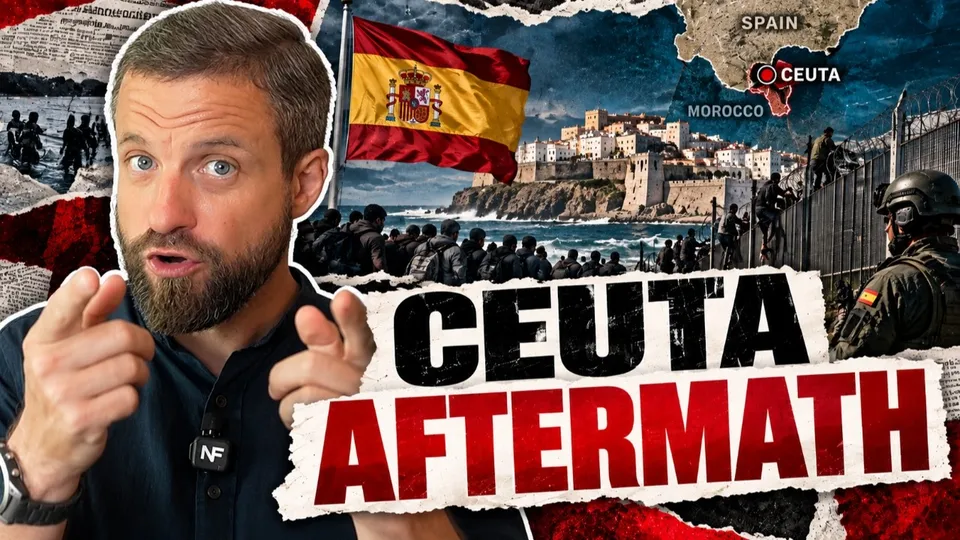
The trigger was Ceuta. On July 30 and 31, crowds of mostly young Moroccans swam around the breakwater and pushed through the fences into Spain's tiny enclave on the North African coast. Ceuta's president put the first-day count at about 60,000, roughly 70% of the city's population. Madrid later settled on 72,000 over two days. At least 18 people died trying.
Meloni called the checks an extraordinary measure to protect national security. Her foreign minister floated suspending Spain from Schengen entirely. Finland's interior minister said Spain had failed to guard Europe's outer border and urged every country to back Rome. The Netherlands told Madrid to get its border in order.
Schengen runs on a simple bargain. 29 countries drop checks between each other, and in exchange each one guards its outside edge. If one edge gives way, everyone else inherits the problem. Rome's argument is that Spain broke its end of the deal.
Madrid saw it very differently. It said it had sent nearly everyone back. Within a week, Spain's interior minister reported that 70,000 of the 72,000 had already returned to Morocco. Ceuta also sits under a special Schengen regime, so anyone heading from there to the Spanish mainland gets their papers checked.
Pedro Sánchez called the crossing an attack on Spanish sovereignty and blamed the smugglers. When Rome refused to drop its checks, Madrid hit back with checks of its own on everyone arriving from Italy, Italians included.
Brussels refused Italy's call to boot Spain from Schengen. Critics in Spain and among rights groups called Meloni's move political theater, since the two countries don't even share a land border.
Behind that fight sat a bigger one. Earlier in 2026, Spain ran a one-time legalization drive for undocumented migrants. To qualify, people had to have been in Spain before December 31, 2025, prove five months of continuous residence, and show a clean criminal record. Applications closed June 30, so nobody who crossed in July was eligible. Critics across Europe still saw it as a magnet, and the European Commission warned Madrid not to let it spill onto other member states.
Spain's own courts added fuel. That June, its Supreme Court narrowed the fast-track returns used at Ceuta and Melilla, ruling that people intercepted at sea can't be summarily sent back.
The timing stung. That same June, the Commission had urged nine countries, Italy among them, to wind down the internal checks they were already running. Ceuta pushed Europe the other way.
Borderless Europe only works with a hard edge outside it. In 2026, two of its biggest members fought, in public and at the airport, over who was supposed to hold it.