
BRAZIL'S RIGHT TAKES BOTH HOUSES OF CONGRESS

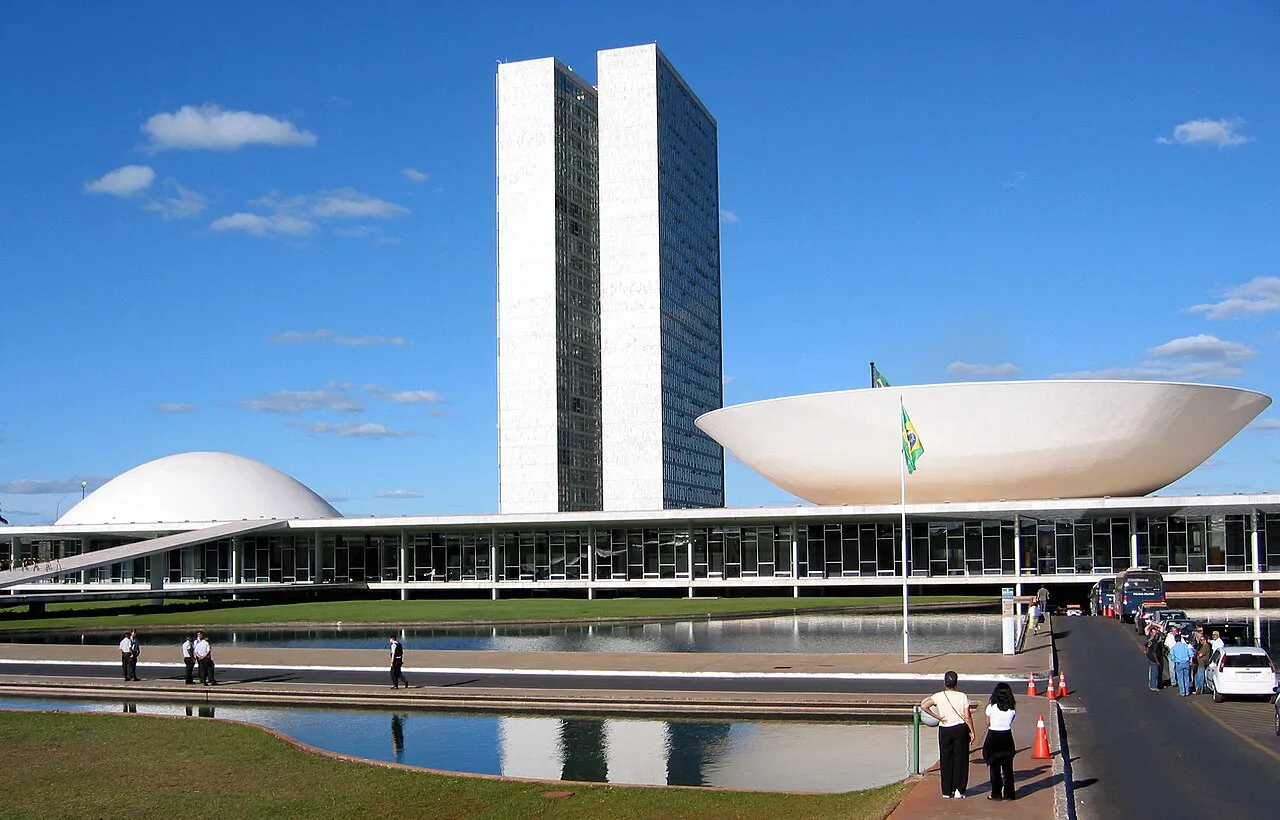
Brazil's conservative Liberal Party is now the largest in both houses of Congress, carried by voter anger over crime and the Supreme Court.
Brazil is a country of about 213 million people. It has the largest Catholic population on earth, one of the fastest-growing evangelical communities anywhere, and one of the world's biggest farm export sectors. On October 4, its voters sent the most conservative Congress in a generation to Brasília.
Congress has two houses. The Chamber of Deputies has 513 seats, split among the 26 states and the Federal District by population. Voters pick individual candidates from open party lists, so a single popular name can pull a whole slate into office. The Senate has 81 seats, three per state, with eight-year terms. This year, two-thirds of it was on the ballot.
What voters chose
The Liberal Party, or PL, the main home of Brazil's conservative movement, won 121 Chamber seats, up from 99 four years ago. No party has elected that many deputies since the current count began in 1990. The left-wing Workers' Party came a distant second with 70. Even with its allies in the Communist Party of Brazil and the Greens, the left's federation only reaches 88.
Individual records fell too. Nikolas Ferreira of Minas Gerais pulled more than 3.1 million votes, the most any federal deputy has ever received. Lucas Pavanato of São Paulo finished right behind him with more than 3 million. Both are young PL conservatives, and both beat the old record of 1.84 million, set by Eduardo Bolsonaro in 2018.
The Senate swing was sharper. The PL won 19 of the 54 seats up for grabs and will start the new term with 28 senators, up from 15. That's the largest single-party Senate bench at the start of any legislature since the 1988 Constitution, topping the MDB's 27 in 1999. The Workers' Party stays at 9. The MDB slips to 8. The PSD, the dealmaking centrist party that has brokered Brasília for years, collapses from 13 to 5. Michelle Bolsonaro and Carlos Bolsonaro both won seats.
Why Brazil went right
Crime sits at the top of the list. Brazil's two biggest criminal factions, the PCC and the Comando Vermelho, run drug and weapons networks that reach far beyond the favelas. In April 2026, Washington designated both as terrorist organizations, which pushed public security even higher on the agenda. Candidates who ran on tougher sentencing and backing the police did well across the country.
Frustration with the Supreme Court comes next. Many conservative voters believe the court, and Justice Alexandre de Moraes in particular, has overstepped, from social media takedown orders to the prosecutions that followed the January 8, 2023, riots in Brasília. Analysts say scandals touching the court stuck with these voters, and the Senate, the only body that can impeach a justice, became the target.
Campaigning changed as well. Analysts say candidates with a clear ideological message, who could reach voters directly online, beat party machines built on local favors. The center lost ground as a result. Faith and farming did the rest: evangelical voters and agribusiness states have leaned right for years, and both showed up again.
What changes in Congress
Counted together, right-leaning parties hold 276 Chamber seats, comfortably over the 257 needed for a majority. That's about where the right stood after 2022, but now one party drives the bloc instead of a scattered coalition. The new Chamber can pass ordinary bills on crime, guns, farm licensing and the budget without the left's votes. Expect tougher rules on early release and organized crime, tighter spending, faster licensing for agriculture and infrastructure, and a renewed push for amnesty for people convicted over January 8.
Constitutional amendments are harder. They need 308 deputies and 49 senators. The right isn't there in the Chamber, so the Centrão, the transactional middle that trades votes for local projects and committee seats, still matters. It just bargains from a much weaker spot.
The Senate is where the biggest fight lands. In December 2025, Justice Gilmar Mendes issued an injunction raising the bar to even open impeachment proceedings against a justice, from a simple majority to two-thirds, or 54 senators. Conviction already required the same number.
Conservatives now think they can get there. One count by a Brazilian political research group puts exactly 54 incoming senators on record supporting impeachment of Supreme Court justices. Other tallies land in the high 40s.
Senator-elect Marcel van Hattem has already told Gilmar Mendes publicly that work on his impeachment starts February 1, 2027.
Critics on the left call that an assault on judicial independence, and the Senate's president, chosen in February, decides alone whether any case moves forward.
When the new Congress takes office on February 1, 2027, the largest party in both houses will be the one that campaigned on public security, spending restraint, agriculture and reining in the Supreme Court.